
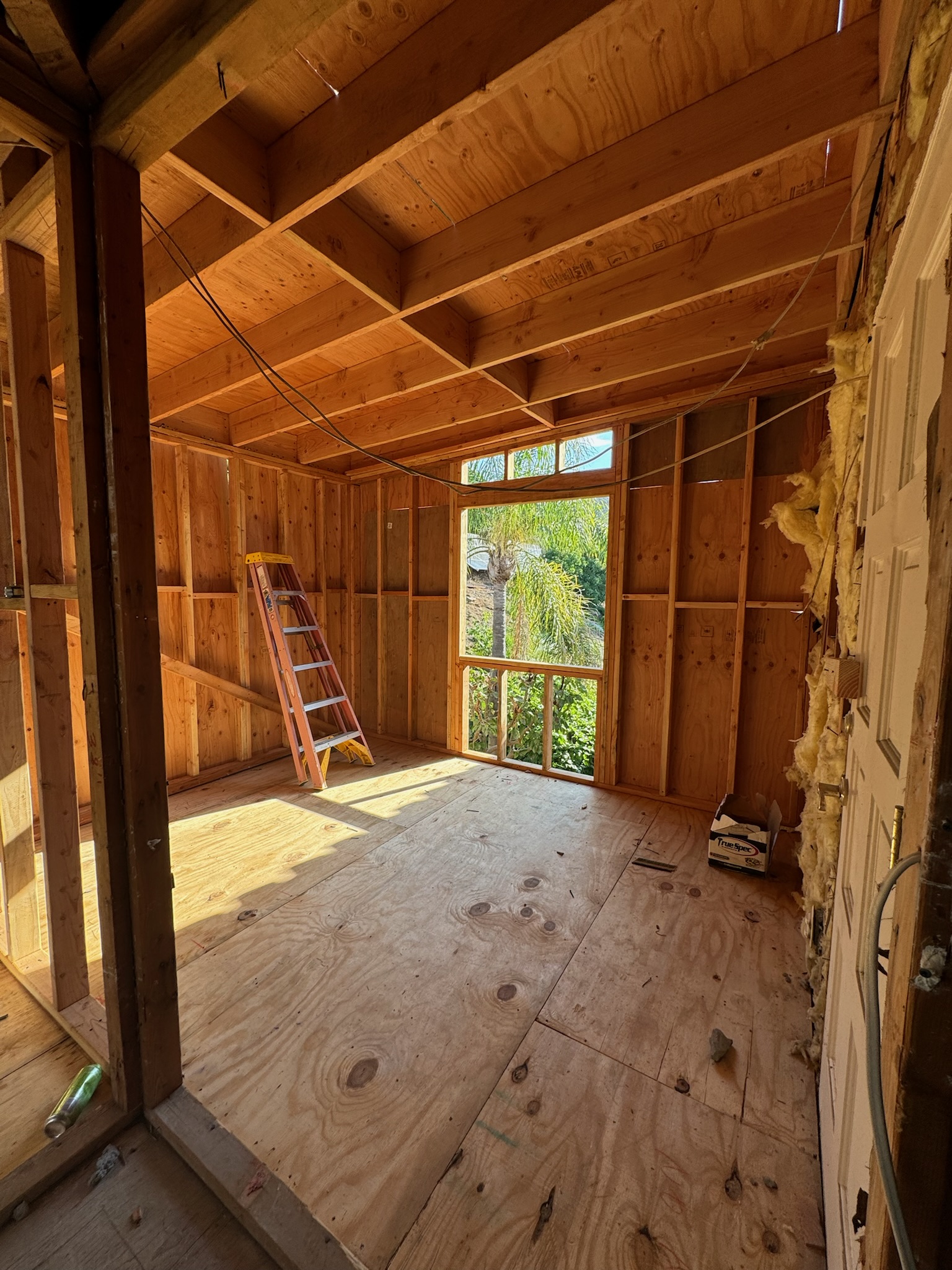
To Permit or Not to Permit? The Age Old Question no one asked for…
Operation: Protect your investment
Let’s be honest: the phrase “building permit” doesn’t exactly spark joy. It sounds expensive, slow, and suspiciously bureaucratic. But here’s the truth—permits aren’t the villain of your remodel story. Skipping them usually is. To permit or not? So let’s break this down in plain English (with zero city-hall jargon). A building permit is your city or county officially saying: “Yes, this project won’t burn down, flood, or collapse—carry on.”

It’s a safety check, a legal green light, and a permanent record that your improvements were done right. Future buyers love them. Appraisers respect them. Insurance companies expect them.
Think of permits as your renovation’s insurance policy, not red tape.
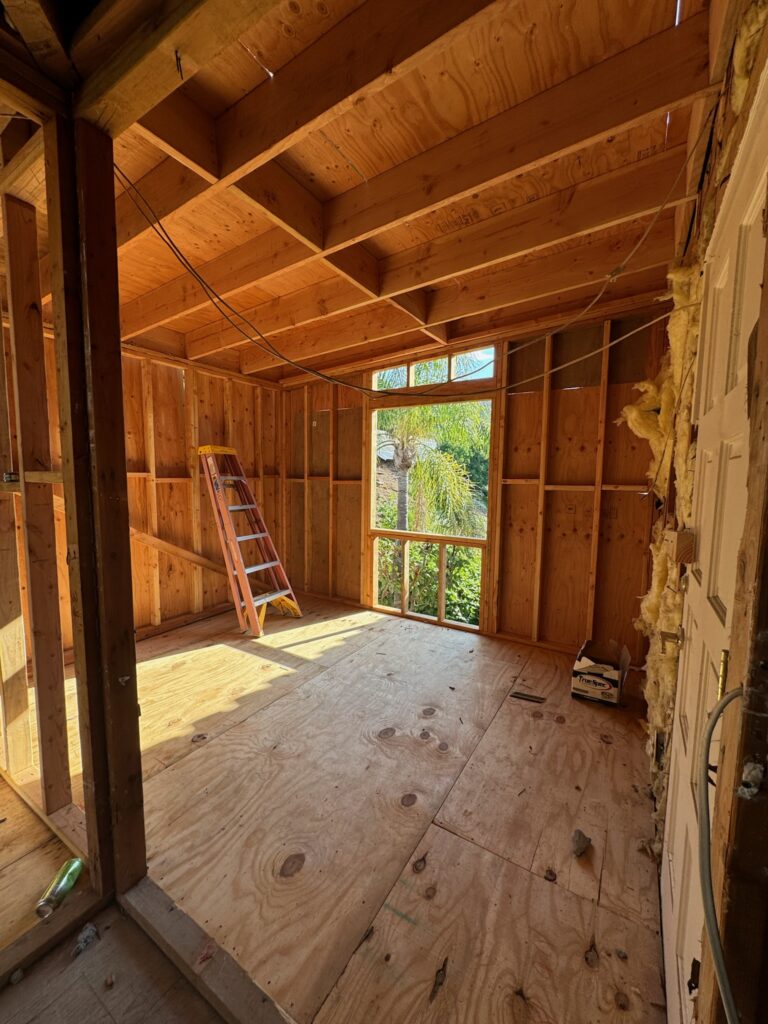
Photo by JG Color Studio
Projects That Always Need a Permit:
Structural Changes: Moving walls, removing walls, touching anything that might be holding your house upright?
Yep—permit required. Especially if the phrase “load-bearing” is involved.
Plumbing Work: New fixtures, moved drains, relocated pipes—anything that could flood your home or upset gravity needs approval.
Electrical Changes: New wiring, new circuits, moving outlets—fires are expensive and dramatic. Permits prevent that.
HVAC: Systems Heating, ventilation, and air conditioning upgrades need permits to ensure safety, efficiency, and code compliance.
Roof Replacement (Sometimes): Replacing shingles usually doesn’t require a permit. Changing the structure or roof decking does. The roof counts as structural, even if it looks boring.
Additions and Expansions: New rooms, decks, ADUs, or added square footage always require permits. Always. There is no loophole.

Work That Is Usually Permit-Exempt
(Usually does not mean “never.”)
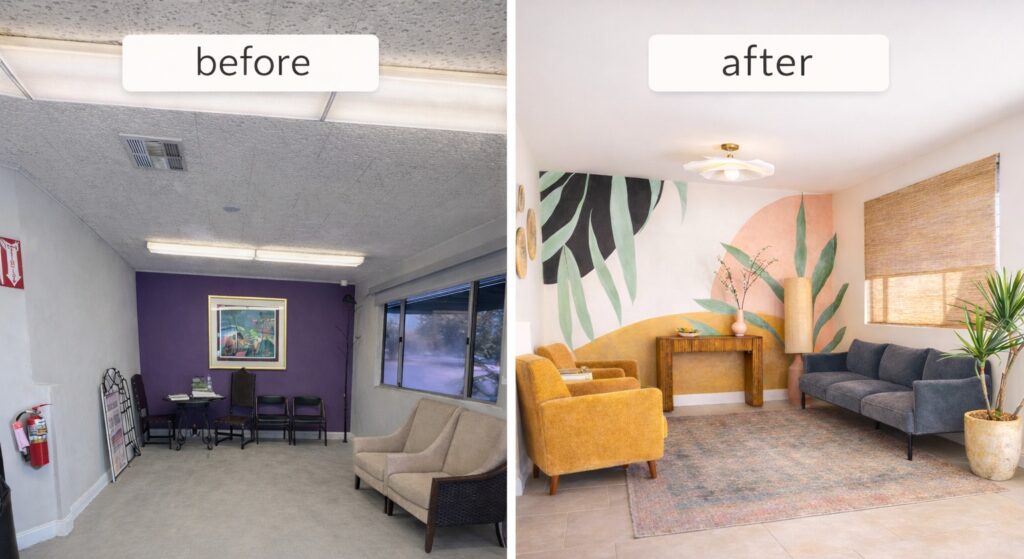
Cosmetic Updates: Painting, wallpaper, flooring with the same underlayment, and decorative upgrades that don’t affect structure, plumbing, or electrical systems.
Cabinets and Countertops: If the layout stays the same and nothing behind the walls is touched, this is considered maintenance, not construction.
Minor Repairs: Drywall patches, baseboards, and small tile repairs are generally permit-free—as long as they stay cosmetic.
Existing Fixtures: Plumbing and electrical fixtures can be replaced within the same location. Once you mose these things around, then you need to permit.
Three Things Every California Homeowner Should Know
Local Rules Are Hyper-Local: Permit requirements vary by city and county. What’s allowed in San Diego may not fly in San Francisco. Always check with your local building department, not your neighbor.
One Project Can Mean Multiple Permits: Large remodels often require separate building, electrical, and plumbing permits. Your contractor should manage this, but you should understand what’s being pulled in your name.
Contractors Who Avoid Permits Are A Walking Red Flag: Licensed contractors know permit requirements. If someone suggests skipping permits “to save time,” what they’re really saving is accountability. Double check to make sure they are actually licensed, please.

How Much Do Permits Cost?
- Simple projects: relatively minimal $
- Structural or major remodels: higher, but expected. $$$
- Usually a small percentage of the overall remodel budget* $$
Yes, permits add cost and time. They also prevent fines, stop-work orders, and awkward conversations with buyers later.
*Totally dependent on the year and your zip code.

Why Permits Are Worth It
Safety: Inspections catch mistakes in wiring, plumbing, and structure before they become expensive or dangerous.
Resale Value: Permitted work reassures buyers and appraisers. Unpermitted work raises questions no one wants to answer during escrow. That extra un-permited addition doesn’t count as square footage to the sale.
Insurance Coverage: Insurance companies can deny claims tied to unpermitted work. This is not theoretical. It happens.
(add image of house for sale)

Seriously, What Happens If You Skip Permits?
Immediate Consequences: Cities can halt your project with stop work orders and impose significant fines. Your contractor may face penalties or license suspension. It’s literally someone’s job to find you and fine you.
Resale Problems: Unpermitted work can stall or completely cancel a home sale. Buyers may demand you tear out completed work or reduce the price dramatically.
Hidden Dangers: Mistakes in wiring, plumbing, or structural work may go undetected without professional inspections, creating serious safety hazards for your family or employees. This may not be covered by your insurance.
Neighbor Drama: If you thought you had problems with your neighbors before, add construction into the mix. You don’t want to be looking over your shoulder to see who is plotting to rat you out to the building department. Don’t give them that satisfaction.

Not a small risk:
- Stop-work orders
- Fines and penalties
- Forced removal of completed work (THE WORST BECAUSE YOUR CONTRACTOR WILL MAKE MONEY BUILDING IT AND TEARING IT OUT FOR YOU)
- Delayed or canceled home sales (Now we’re talking about your equity)
- Safety issues that stay hidden until they aren’t (spoiler alert: your insurance company is not going to help you, sorry)
Skipping permits is rarely cheaper. It’s just delayed payment with interest.
The Bottom Line: To Permit or Not
Building permits aren’t bureaucratic nonsense. They are legal protection for your home, your investment, and your future self. If you want a remodel that survives inspections, appraisals, and resale without drama, permits are part of the process. Do they take a while and cost a lot? Probably both of those things, yes. It’s best to know what you’re getting into before your rip out your kitchen. Want to know the best way to get it done?
Smart Next Steps
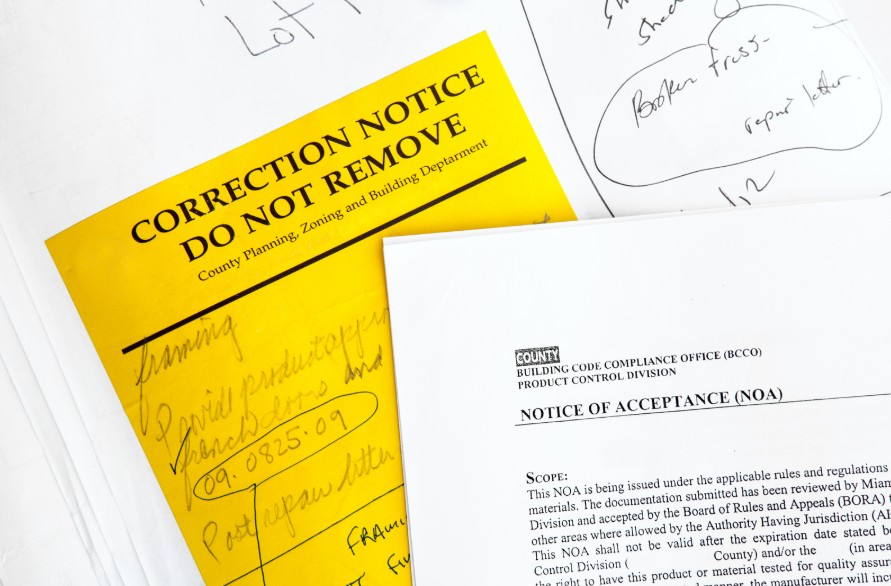
- Get your permits into the city early, contact the city to see what’s required.
- Work with licensed professionals who handle permits properly and often (i.e. architects and contractors). Pro tip: A good contractor may even have a relationship with the building inspector, making inspections a breeze).
- Build permit timelines and inspections into your project schedule from the begenning and make it part of your design process.
Because the only thing worse than paperwork is explaining unpermitted work to a buyer who just hired an attorney.
Remember, Permits Protect your Investment
That way you don’t have to rip it out later and you can enjoy your upgrades as intended! Sit back, relax, and remodel with confidence knowing that all your home’s red tape is handled. Oh and plan to actually cash out on your upgrades when/if you sell.

Design should feel exciting, not risky. At JG Color Studios, we bring two decades of experience, a deep understanding of California building requirements, and a design-forward eye to every project—so your home looks incredible and stands up to scrutiny long after the paint dries.
Ready for the next big step?
We are!
Do you want to help with your renovation? Book a color consult virtually here or email jen@jgcolor.com to book your in person appointment.
Doing it right the first time.
-JG

We are looking forward to adding color to your life!
Painting soon? Read all about it in our Zero VOC Hero blog…